
Private equity helped Yale University amass a $36 billion fortune. Now it’s showing up in your inbox, your advisor’s pitch deck, and even your LinkedIn feed. But just because it’s available doesn’t mean it’s advisable.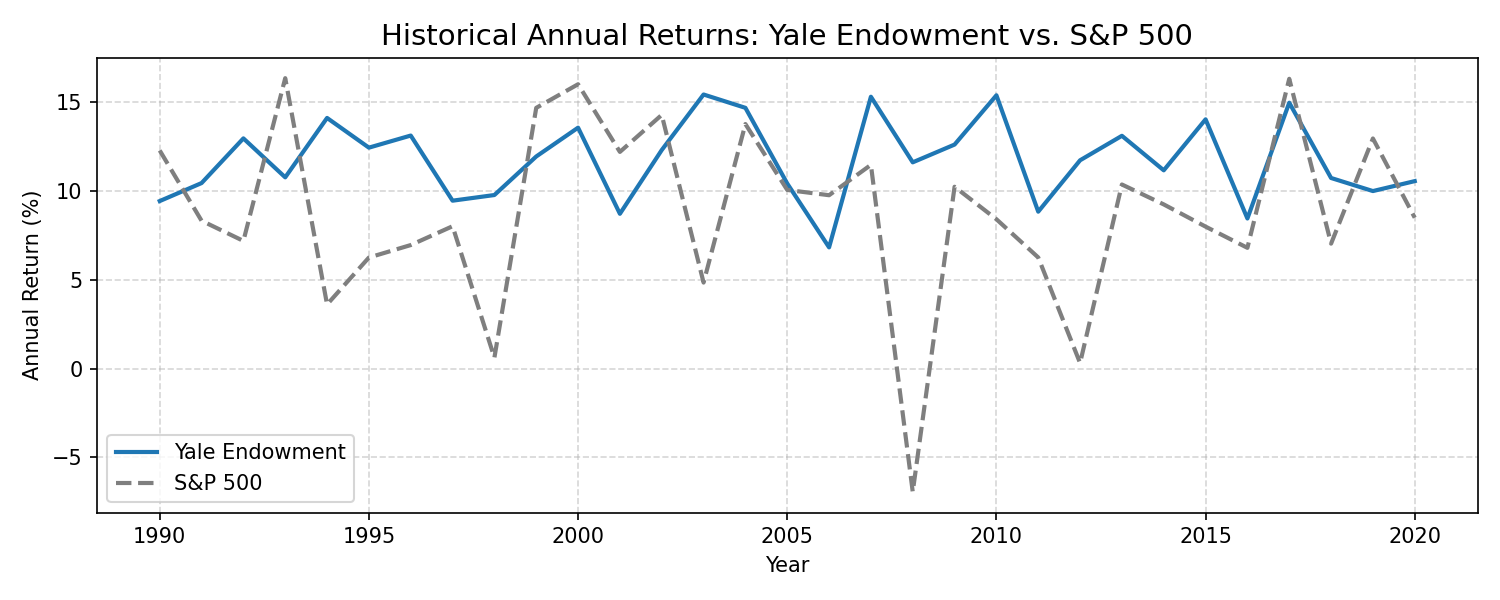
What Is Private Equity?
At its core, private equity means investing in private companies – those not traded on public exchanges. This can include venture capital, growth equity, and leveraged buyouts. Historically, private equity was the domain of elite institutions: endowments, pensions, and sovereign wealth funds.
One of the most famous champions of private equity was David Swensen, Yale University’s legendary endowment manager. In the 1980s and 1990s, Swensen allocated heavily to private equity and reaped the rewards. His strategy became the benchmark for sophisticated portfolio design, especially among institutional investors.
The Evolution: From Exclusive to Everywhere
Today, private equity is no longer just for Ivy League endowments. Accredited investors can now access these deals through feeder funds, interval funds, and evergreen structures. This democratization has broadened access but also diluted the opportunity.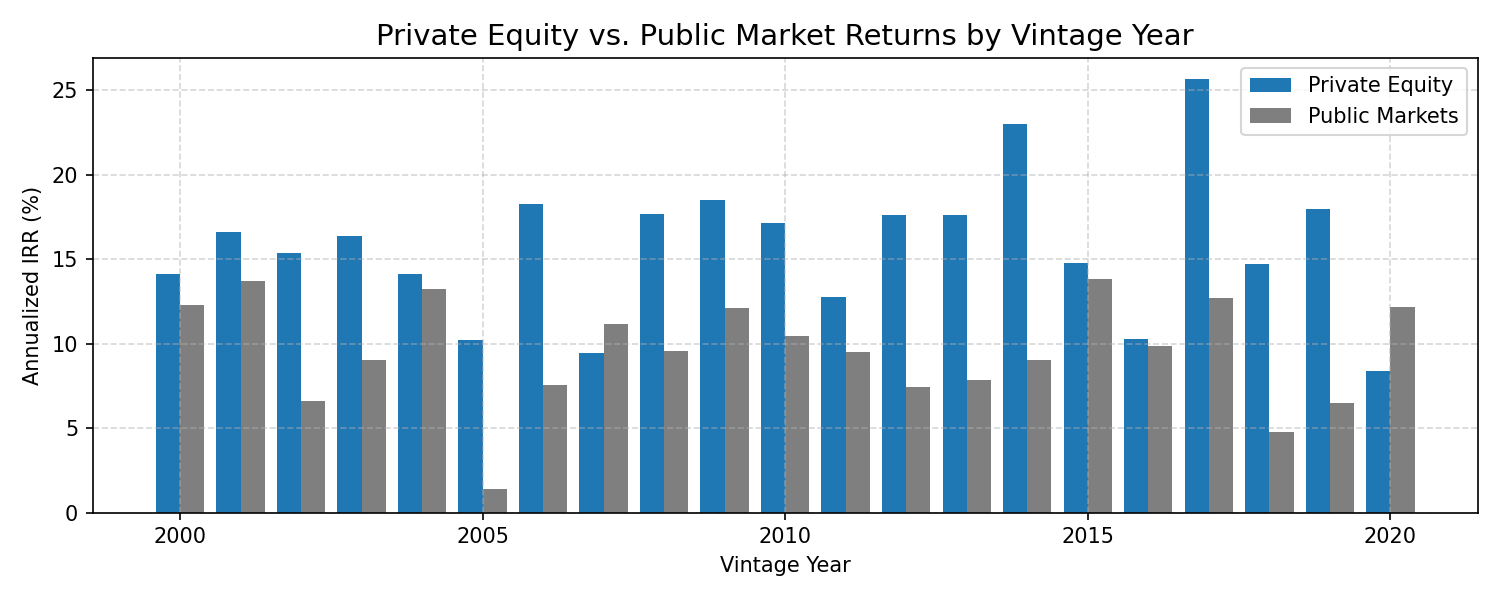
Here’s the catch: the outperformance, or alpha, that Swensen once captured has diminished. With more money chasing fewer high-quality deals, inefficiencies are harder to find. And while returns may have compressed, fees have not. The typical “2 and 20” model (2% annual fee and 20% of profits) still applies, and additional layers of fees from platform providers or feeder funds often pile on.
The Illiquidity Premium: Still Worth It?
Top-quartile private equity funds do continue to outperform on paper. But identifying these top performers in advance is notoriously difficult. Most investors, without access to elite managers, are left with second-tier options. That means potentially earning stock market-like returns with far less liquidity and far more complexity.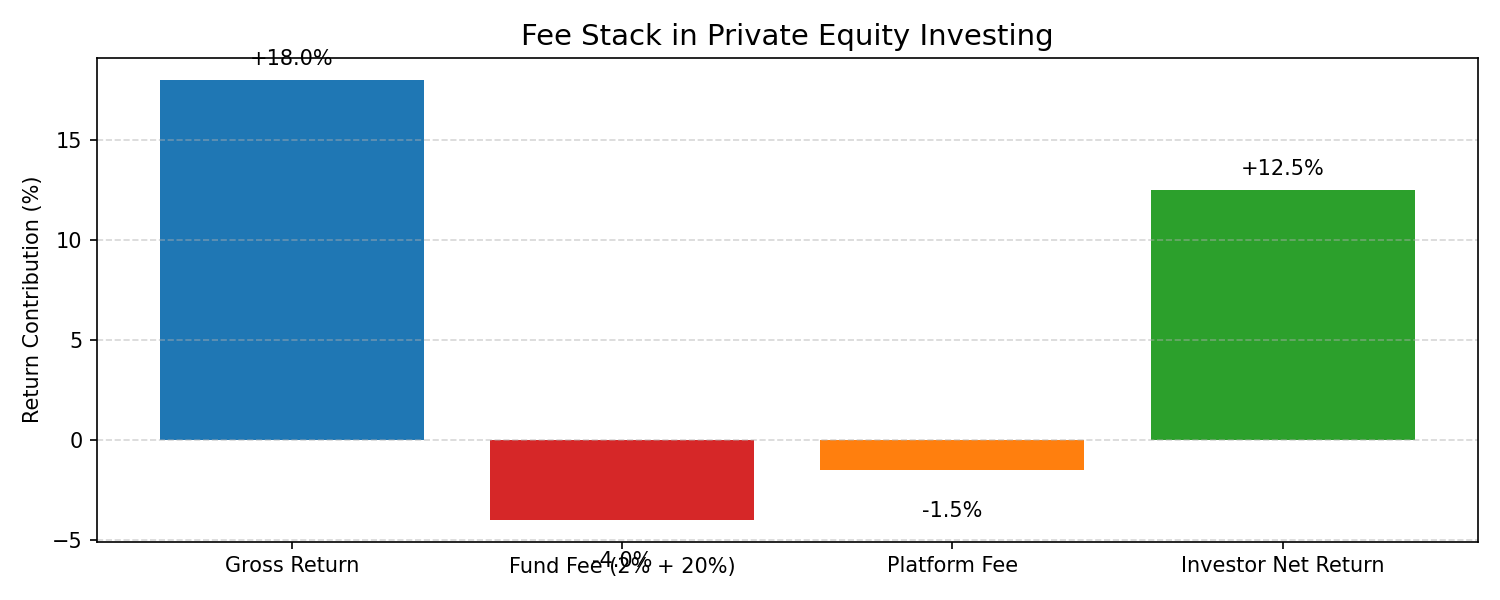
Private equity investments often involve lock-up periods of seven to ten years. For those who can’t commit to such illiquidity or who lack access to high-quality managers, the tradeoff may not be justified.
A Place in the Portfolio – With Eyes Wide Open
Private equity may still deserve a place in a high-net-worth portfolio as a diversifier, a source of non-public market exposure, or as part of a broader alternatives strategy. But it’s not a magic bullet. Understand what you’re buying: the fee structure, the liquidity constraints, and the manager’s track record.
Don’t be seduced by slick marketing. Be informed.
If you’re considering private equity, let’s talk. At Avion Wealth, we help successful individuals navigate complex wealth decisions with clarity and care.
Best,
Paul J. Carroll, CFP®
CEO & Founder, Avion Wealth
For educational purposes only. Consult your financial advisor.