
In recent years, some of the most innovative and disruptive companies – OpenAI, SpaceX, Stripe, Epic Games – have chosen to stay private. That means most investors will never get the chance to buy shares directly. For business owners, executives, and families managing significant wealth, this trend represents one of the biggest shifts in modern investing.
The Decline of the IPO Market
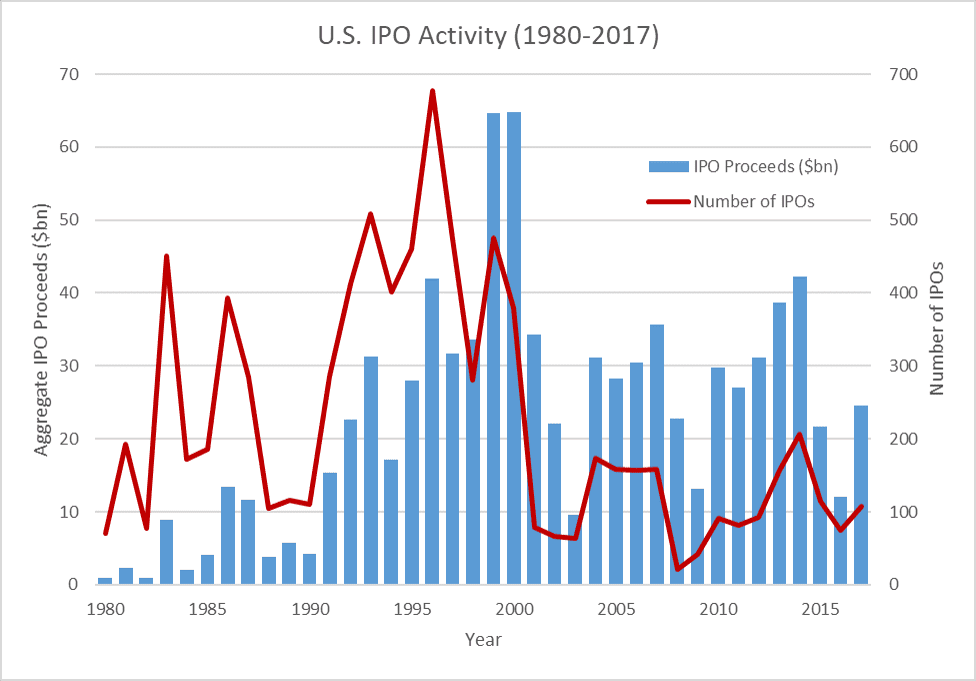
In the 1990s, U.S. markets regularly saw 400+ initial public offerings (IPOs) each year. Today, that number has dropped to fewer than 200 annually—and many of those are companies already well past their fastest growth phase.
So why are the true innovators staying private?
The Burden of Going Public
Going public is no longer the default path to growth. Regulations such as Sarbanes-Oxley, introduced after the financial crisis, created heavier compliance costs and stricter reporting standards. Public companies face:
-
Quarterly earnings pressure
-
Greater SEC scrutiny
-
Short-term shareholder demands
At the same time, private capital is abundant. Venture funds, private equity firms, and sovereign wealth funds are writing billion-dollar checks that allow companies to scale without ever entering public markets.
For founders, staying private means:
-
More control over decision-making
-
Fewer distractions from stock market volatility
-
The ability to focus on long-term innovation rather than short-term stock performance
 Why This Matters for Investors
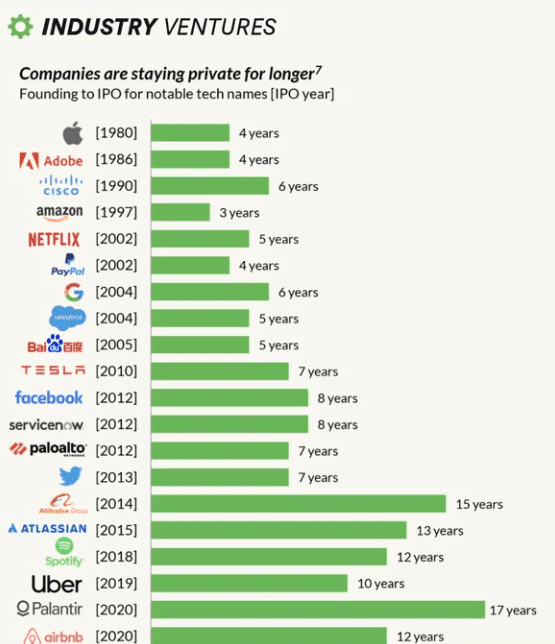
When companies delay or avoid going public, the biggest gains occur before retail investors can participate. By the time a company like Facebook or Airbnb reached its IPO, much of the upside had already gone to insiders and institutional investors.
This trend concentrates wealth at the top and reduces early-stage opportunities for the broader investing public.
What Options Do Investors Have?
While access is limited, there are still a few ways to participate in private market growth:
-
Private Equity and Venture Capital Funds
Accredited investors may gain exposure through private funds. However, these carry higher risks, less transparency, and longer lockup periods. -
Secondary Market Purchases
In some cases, private company shares can be purchased before IPO. Liquidity and pricing, however, remain challenging. -
Public Companies with Stakes in Innovators
Investors can gain indirect exposure. For example, Microsoft’s investment in OpenAI provides a public-market pathway to participate in AI growth.
Each of these avenues has its own complexities and risks. Private investing is not for everyone and requires careful planning within the context of a broader wealth strategy.
The Rules of the Game Are Changing
As more companies choose to remain private, investors must adapt. Traditional IPO opportunities are becoming less common, and strategies that worked in the past may not be sufficient for the future.
At Avion Wealth, we help clients navigate this evolving investment landscape. Whether it’s evaluating private market opportunities, optimizing public portfolios, or planning for long-term wealth growth, our mission is to ensure your strategy keeps pace with change.
If you’d like to explore your options, let’s start a conversation.
Best,
Paul J. Carroll, CFP®
CEO & Founder, Avion Wealth
For educational purposes only. Consult your financial advisor.